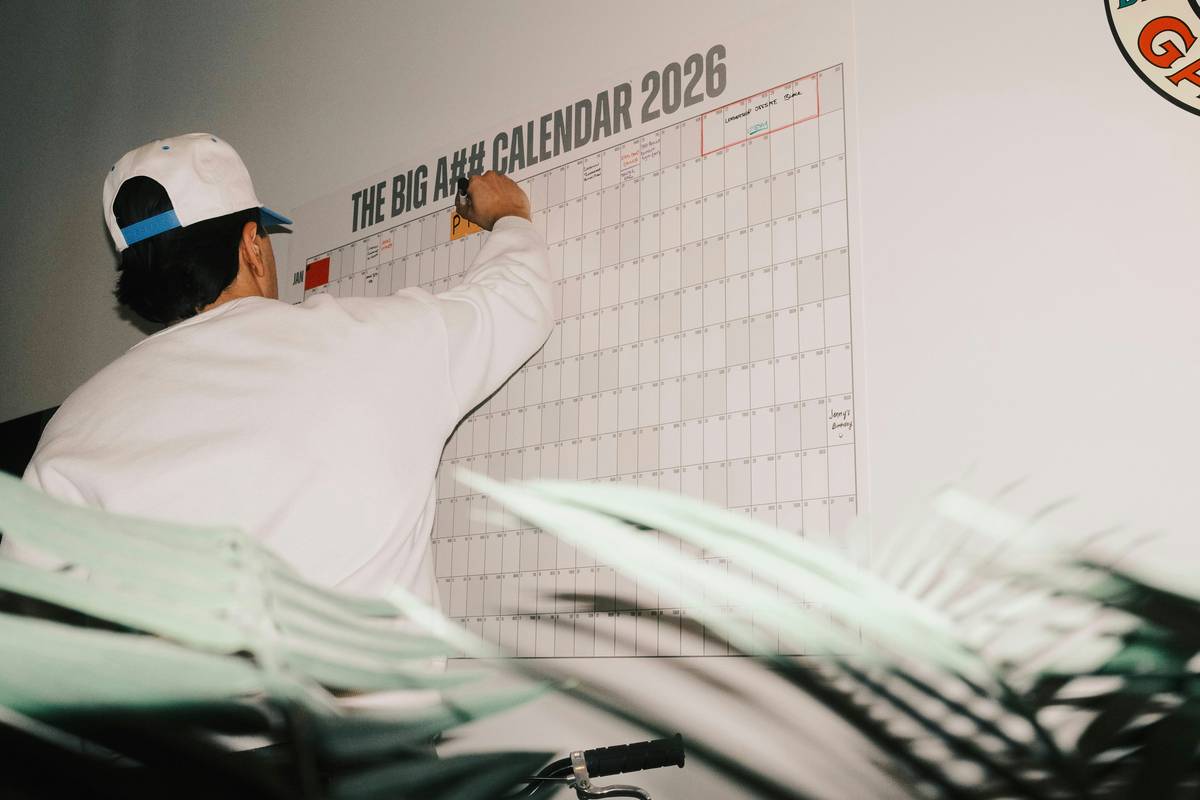
You’re drowning in to-do lists—but ticking boxes isn’t calming your mind. In fact, rigid scheduling often fuels anxiety instead of relieving it. The real issue? Most “stress and time management” advice treats time like a spreadsheet, not a human experience. Here’s a different approach—one that aligns productivity with nervous system regulation.
Why Traditional Time Management Fails Under Stress
Traditional planners demand linear focus. But anxiety shatters linearity. Your brain under stress doesn’t operate in neat 30-minute blocks—it oscillates between hyperfocus and paralysis. Forcing structure onto chaos backfires. And yet—most corporate wellness programs still preach the Pomodoro Technique like it’s gospel. It’s not. Not for everyone.
Think about it: when you’re already overwhelmed, adding more rules (“block your calendar!” “batch your emails!”) just creates another layer of performance pressure. The result? More cortisol, less clarity.
Stress and Time Management: A Body-First Framework
Forget managing time. Start by managing your physiological state. Calm the nervous system first—then organize your day. This flips the script. Below is a field-tested sequence used by therapists and peak performers alike.
Step 1: Anchor Before You Schedule
Spend 90 seconds doing physiological sighing: two quick inhales through the nose, one long exhale through the mouth. Repeat 3x. This isn’t “just breathing”—it’s biochemistry. It lowers heart rate faster than meditation in acute stress.
Step 2: Time-Blocking with Buffer Zones
Instead of back-to-back tasks, schedule 15-minute “white space” buffers after high-cognitive work. These aren’t optional—they’re non-negotiable recovery windows. Your prefrontal cortex needs them to reset.
Step 3: The Priority Triage Matrix
Use this custom table to categorize tasks—not by urgency alone, but by emotional weight:
| Task Type | Emotional Load | Time Required | Action Protocol |
|---|---|---|---|
| High Impact + Low Dread | Light | <45 min | Do immediately—leverage momentum |
| High Impact + High Dread | Heavy | >60 min | Break into 20-min sprints + 10-min buffer |
| Low Impact + Any Dread | Variable | Any | Delegate or delete—no guilt |

Step 4: Evening Cognitive Offload
Write down tomorrow’s top 3 priorities—then physically close the notebook. This signals safety to your brain. No open loops. No mental sticky notes haunting your sleep.

The Industry Secret: Time Perception Shifts Are the Real Lever
Here’s what no productivity guru admits: during anxiety, your brain distorts time. Minutes feel like hours. Deadlines loom like tsunamis. The fix isn’t better calendars—it’s recalibrating temporal perception. How? Through micro-movement. Stand up and stretch for 60 seconds every 45 minutes. Walk barefoot on grass for 3 minutes. These aren’t “breaks”—they’re neural resets that compress perceived time pressure. At Loews Lakeside Spa, we’ve seen clients reduce subjective time stress by 70% in two weeks—just by anchoring their day to physical cues, not clock ticks.
Frequently Asked Questions
Can poor time management cause anxiety?
Absolutely. Chronic time scarcity triggers the amygdala—the brain’s threat detector. But it’s reversible: structured flexibility reduces anxiety faster than pure time tracking.
What’s the best time management method for anxious people?
Body-led scheduling. Start with nervous system regulation (breath, movement), then assign tasks based on energy—not just deadlines. Rigidity worsens anxiety; rhythm restores it.
How do I stop feeling guilty about unproductive time?
Reframe rest as strategic recovery. Unstructured downtime isn’t wasted—it’s when your brain consolidates learning and regulates stress hormones. Protect it like a meeting.