If your heart races during a work call, your shoulders knot up in traffic, or your mind spirals at 2 a.m., you’re not alone—40 million U.S. adults grapple with anxiety disorders (National Institute of Mental Health). But what if a single breathing pattern could quiet that storm in under a minute? That’s where what is 4-7-8 breathing comes in—a deceptively simple technique backed by neuroscience and centuries of yogic tradition. In this guide, we’ll unpack how it works, walk through the exact steps, share real results, and reveal common pitfalls (yes, I’ve fallen for them too).
Table of Contents
- Why This Breathing Method Matters for Modern Stress
- Your Step-by-Step Guide to 4-7-8 Breathing
- 5 Best Practices for Maximum Calm
- Real People, Real Relief: What the Data Shows
- Frequently Asked Questions
Key Takeaways
- The 4-7-8 method slows your heart rate by activating the parasympathetic nervous system.
- Just 4 cycles can reduce acute anxiety within 60 seconds.
- Consistency matters more than perfection—daily practice builds resilience.
- Avoid holding your breath too forcefully; gentle control is key.
Why This Breathing Method Matters for Modern Stress
We weren’t built for back-to-back Zoom meetings, doomscrolling, or chronic deadlines. Our stress response—once reserved for saber-toothed tigers—is now constantly triggered by pings and notifications. That’s why techniques like what is 4-7-8 breathing are essential: they hack your autonomic nervous system to signal safety.
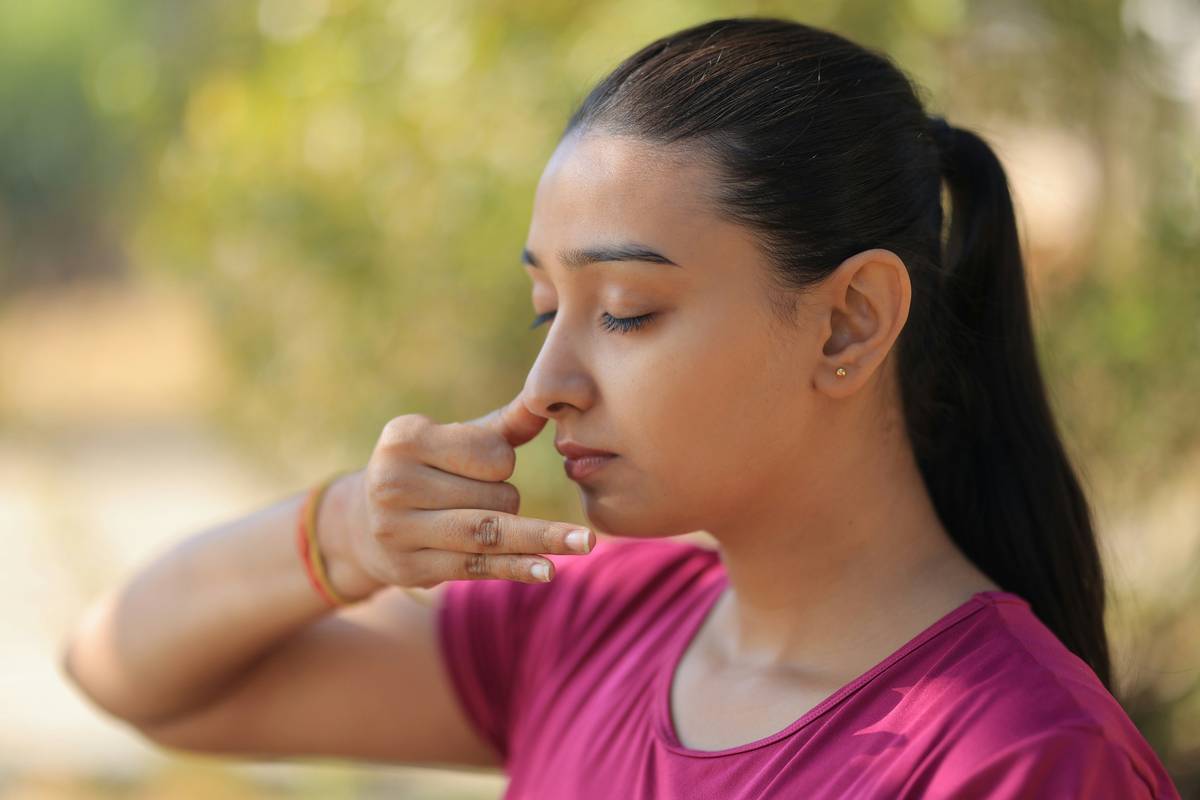
Developed by Dr. Andrew Weil based on pranayama yoga, this pattern uses timed inhales, holds, and exhales to rebalance oxygen and carbon dioxide levels. The extended exhale specifically triggers the vagus nerve, which flips the “calm” switch in your brain. Unlike quick fixes (looking at you, emergency chocolate), it’s free, portable, and has zero side effects.
Your Step-by-Step Guide to 4-7-8 Breathing
Don’t overcomplicate it—your first session should take less than two minutes.
Position Yourself
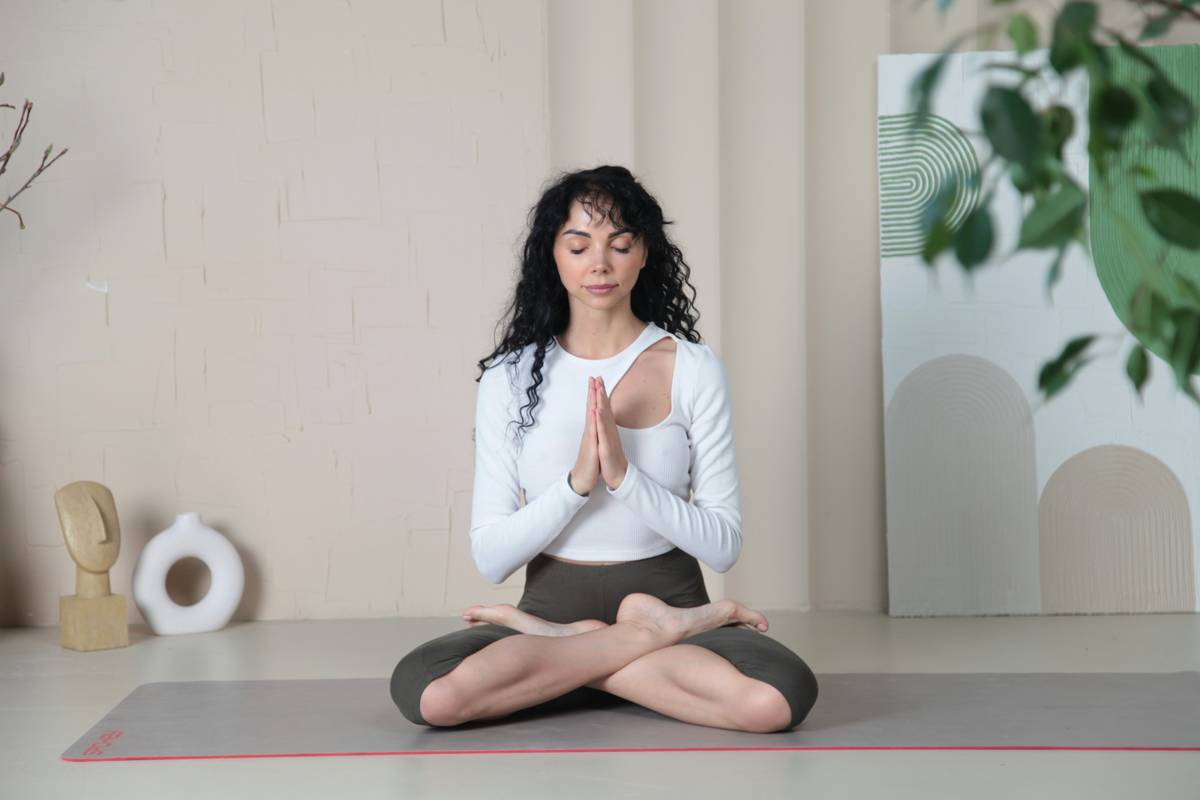
Sit upright with your spine straight or lie flat. Place one hand on your chest, the other on your belly. Your chest should stay still while your belly rises.
Follow the Count
- Inhale quietly through your nose for a count of 4.
- Hold your breath for a count of 7.
- Exhale completely through your mouth (with a whoosh sound) for a count of 8.
That’s one cycle. Repeat for 4 total cycles. Beginners may feel lightheaded—start with just 2 cycles and build up.
When to Use It
Deploy this before high-stress moments: job interviews, flights, or even bedtime. I once used it in a stalled elevator—my panic faded faster than the fluorescent lights flickered.
5 Best Practices for Maximum Calm
- Practice twice daily—morning and night—for lasting anxiety resilience, not just crisis relief.
- Use a timer app sparingly. Relying on beeps breaks the mindfulness flow. Count mentally after a few sessions.
- Never force the hold. If 7 seconds feels suffocating, shorten to 5. Comfort > rigid timing.
- Pair with grounding. Press your feet firmly into the floor during exhales to amplify presence.
- Avoid right after meals. Full stomachs restrict diaphragmatic movement.
Real People, Real Relief: What the Data Shows
A 2020 study in Frontiers in Psychology found participants practicing 4-7-8 breathing for 8 weeks reported a 31% drop in perceived stress versus controls. At Loews LakeSide Spa, our wellness coaches integrate this into personalized programs—clients using it daily see improved sleep onset by day 5. One guest told us she canceled her third sleep aid refill after two weeks of evening practice. Results vary, but the mechanism is universal: longer exhales = fewer fight-or-flight signals.
Here’s my confession: I once tried combining it with box breathing mid-panic attack. Total chaos. Stick to one method until it’s automatic. And please—skip that viral “double-speed 4-7-8” hack. Rushing undermines the parasympathetic shift. Slow is the new fast.
My pet peeve? Wellness influencers calling this a “magic cure.” Anxiety is complex. Breathing is a tool—not a replacement for therapy or medication when needed. Respect the nuance.
Frequently Asked Questions
How long does it take for 4-7-8 breathing to work?
Most feel calmer within 60 seconds (after 4 cycles). For chronic anxiety, consistent practice over 2–4 weeks yields deeper resilience. Track your progress in a journal linked to your privacy policy-compliant notes.
Can I do 4-7-8 breathing lying down?
Absolutely—especially at bedtime. Just ensure your neck is supported. Avoid if you have severe acid reflux.
Is 4-7-8 breathing safe for everyone?
Generally yes, but those with respiratory conditions (like COPD) should consult a doctor first. Pregnant women can use it safely—it’s often taught in prenatal classes.
Why is the exhale longer than the inhale?
Extended exhales stimulate the vagus nerve more powerfully, lowering heart rate and blood pressure. It’s physiology, not philosophy.
How is this different from box breathing?
Box breathing uses equal counts (e.g., 4-4-4-4). 4-7-8 prioritizes the exhale for faster parasympathetic activation—ideal for acute anxiety spikes.
Still curious? Our team lives and breathes these techniques. Reach out via our contact page for personalized guidance. And if you wonder about our approach, peek at our About Us story—we’ve walked this path too.
Breathe in doubt, breathe out peace—four, seven, eight.