If your heart races at the slightest trigger, your thoughts spiral before breakfast, or you’ve ever canceled plans because “going out feels like too much”—you’re not broken. You’re human. And there’s a surprisingly simple, science-backed tool that can help: mindfulness. At Loews Lakeside Spa, we’ve seen guests arrive tense and leave transformed—not through magic, but through mindful presence. In this guide, you’ll discover exactly how mindfulness helps anxiety, with practical steps, real-world examples, and one hard-earned lesson from my own panic-attack-turned-teaching-moment.
Table of Contents
- Why Anxiety Needs Mindfulness (Not Just Deep Breaths)
- Your 5-Minute Daily Mindfulness Routine for Calm
- 5 Best Practices to Make Mindfulness Stick
- Real Results: What Happens When You Practice Consistently?
- FAQs About Mindfulness and Anxiety Relief
Key Takeaways
- Mindfulness interrupts the anxiety feedback loop by anchoring you in the present moment.
- Just 5–10 minutes daily significantly reduces physiological stress markers.
- Consistency matters more than duration—short, regular practice beats occasional long sessions.
- Avoid the “empty your mind” myth—it’s about observing, not erasing, thoughts.
- Clinical studies confirm mindfulness-based interventions rival medication for some anxiety disorders.
Why Anxiety Needs Mindfulness (Not Just Deep Breaths)
Anxiety isn’t just “worrying too much.” It’s your nervous system stuck in overdrive, constantly scanning for threats—even when you’re safe in your living room. Traditional advice like “just relax” often backfires because it ignores the core issue: mental time travel. When anxious, your mind lives in the future (“What if I fail?”) or replays the past (“Why did I say that?”).
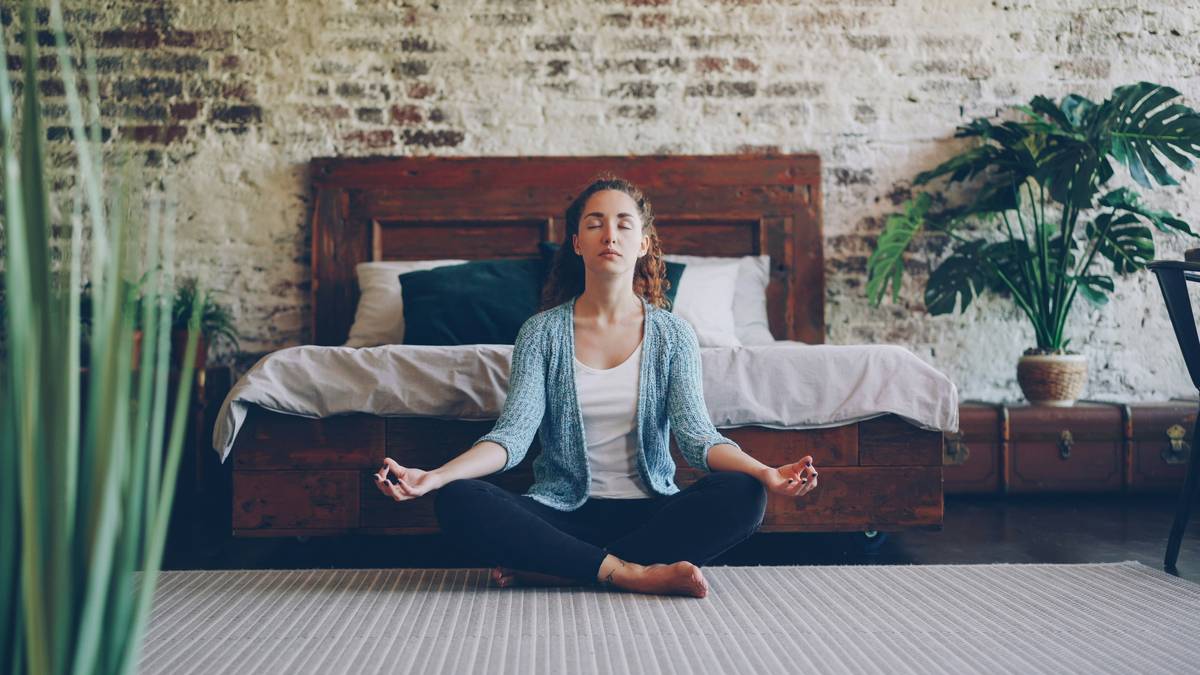
That’s where mindfulness shines. It trains your brain to return to the now—the only place where actual danger either exists or doesn’t. According to a 2020 meta-analysis in JAMA Internal Medicine, mindfulness meditation programs show “moderate evidence of improved anxiety” across diverse populations. Unlike quick fixes, it rewires your response pattern over time.
Your 5-Minute Daily Mindfulness Routine for Calm
You don’t need incense, silence, or hours of free time. Here’s how to start today:
Step 1: Anchor to Your Breath (60 Seconds)
Sit comfortably. Close your eyes if it helps. Notice the sensation of air entering your nostrils, filling your lungs, then leaving. Don’t force it—just observe. When your mind wanders (it will!), gently return to the breath. No judgment.
Step 2: Body Scan Lite (2 Minutes)
Starting at your toes, mentally “check in” with each body part. Are your shoulders tight? Jaw clenched? Simply notice without trying to “fix” anything. This grounds you physically, countering anxiety’s disembodied feeling.
Step 3: Name It to Tame It (90 Seconds)
Whisper or think: “This is anxiety,” or “I’m feeling overwhelmed.” Labeling emotions reduces their intensity—a technique backed by UCLA neuroscience research on affect labeling.
Step 4: Re-engage Gently
Open your eyes. Take one slow breath. Return to your task with softer edges. Done.
5 Best Practices to Make Mindfulness Stick
- Pair it with a habit: Practice right after brushing your teeth or during your morning coffee. Habit stacking boosts consistency.
- Ditch the “perfect session” myth: Even 60 seconds counts. I once practiced while waiting for my microwave—no shame!
- Use guided apps sparingly: Tools like Insight Timer help beginners, but aim to self-guide within 2–3 weeks to build independence.
- Track subtle wins: Note when you caught yourself spiraling earlier than usual—that’s progress!
- Avoid this terrible tip: “Clear your mind completely.” That’s impossible—and sets you up for frustration. Mindfulness is about awareness, not emptiness.
Real Results: What Happens When You Practice Consistently?
I’ll confess: I used to scoff at mindfulness. During a high-stress project launch, I white-knuckled through panic attacks with caffeine and to-do lists—until I vomited from stress before a client meeting. My therapist suggested mindfulness as “emergency training wheels for your nervous system.” Skeptical but desperate, I committed to 5 minutes daily.
Within two weeks, I noticed something odd: traffic jams didn’t spike my blood pressure. By week six, I slept through the night. And after three months? I handled a major work crisis without catastrophic thinking. This isn’t just anecdotal. A study cited by the American Psychological Association found participants in an 8-week Mindfulness-Based Stress Reduction (MBSR) program reported a 38% average reduction in anxiety symptoms.
At Loews Lakeside Spa, our mindfulness-infused wellness retreats consistently receive guest feedback like, “I finally feel equipped to manage my anxiety between visits.” That’s the goal—not temporary escape, but lasting resilience.
FAQs About Mindfulness and Anxiety Relief
Can mindfulness replace anxiety medication?
For some, yes—but never adjust meds without consulting your doctor. Mindfulness is often most powerful as a complementary tool alongside professional care.
How quickly does mindfulness reduce anxiety?
Many feel calmer after one session due to slowed breathing. Structural brain changes (like reduced amygdala reactivity) typically emerge after 8 weeks of consistent practice.
What if I can’t sit still?
Try walking mindfulness: focus on the sensation of each step. Or practice while washing dishes—notice water temperature, soap texture, sounds. Presence isn’t location-dependent.
Does mindfulness help with panic attacks?
Yes. By grounding you in sensory reality (“I feel my feet on the floor”), it counters the dissociative terror of panic. Our contact page offers resources for acute support.
Is mindfulness religious?
Modern clinical mindfulness is secular. While rooted in Buddhist traditions, today’s evidence-based protocols (like MBSR) remove spiritual elements—focusing purely on attention training.
Will this work if I have severe anxiety?
Absolutely—but pair it with therapy. For complex cases, mindfulness builds the foundation; professionals provide the blueprint. Review our privacy policy if sharing health details during consultations.