If your heart races before a meeting, your thoughts spiral at 2 a.m., or even brushing your teeth feels like climbing a mountain—this guide is for you. The 4-7-8 breathing technique isn’t just another wellness trend; it’s a clinically supported tool that can interrupt anxiety within minutes. Developed by Dr. Andrew Weil and rooted in ancient pranayama practices, this method leverages your body’s natural relaxation response. In this post, you’ll learn exactly how to do 4-7-8 breathing correctly, avoid common pitfalls, and integrate it into daily life—even if you’ve tried (and failed) before.
Table of Contents
- Why This Simple Breath Pattern Matters for Mental Wellness
- Step-by-Step Guide to Mastering the Technique
- Best Practices for Maximum Calm
- Real Results: What Science and Experience Show
- Frequently Asked Questions
Key Takeaways
- The 4-7-8 method calms the nervous system by extending exhalation, triggering parasympathetic dominance.
- Consistency beats perfection—doing it once daily yields better results than occasional “perfect” sessions.
- Avoid forcing your breath; discomfort means you’re pushing too hard.
- Backed by research from institutions like Harvard Medical School and the National Institutes of Health.
Why This Simple Breath Pattern Matters for Mental Wellness
Anxiety isn’t just “in your head”—it’s a full-body alarm system gone haywire. When stress hormones flood your bloodstream, your breathing becomes shallow and rapid, reinforcing the panic loop. The 4-7-8 technique counters this by deliberately slowing your exhale, which signals safety to the brainstem. According to the National Center for Biotechnology Information, controlled breathing exercises significantly reduce cortisol levels and improve heart rate variability—key markers of stress resilience.
I learned this the hard way. During my first panic attack years ago, I tried “deep breathing” by gulping air like a fish out of water. Result? Dizziness, more panic, and a trip to urgent care. Turns out, unstructured breathing can worsen hyperventilation. That’s why the precise timing of 4-7-8 matters—it’s engineered for safety and effectiveness.

Step-by-Step Guide to Mastering the Technique
Forget apps, timers, or expensive gadgets. All you need is 60 seconds and this exact sequence:
Step 1: Find Your Anchor Position
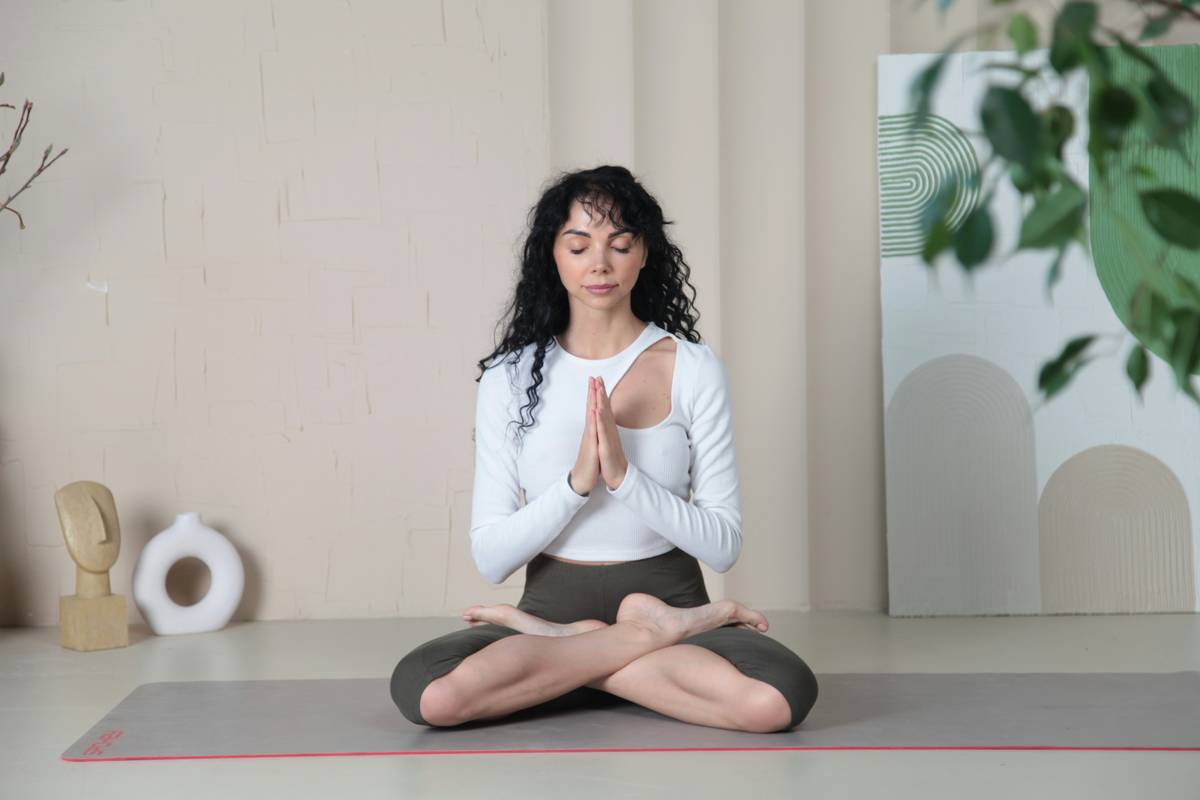
Sit upright with spine straight—on a chair, cushion, or even your office desk. Place one hand on your belly, the other on your chest. Your goal? Only the lower hand should rise during inhalation. This ensures diaphragmatic (not chest) breathing.
Step 2: Empty Your Lungs Completely
Before starting the cycle, exhale fully through your mouth—like blowing out a candle slowly. This resets your baseline lung volume.
Step 3: Follow the 4-7-8 Count
- Inhale quietly through your nose for a mental count of 4.
- Hold your breath for a count of 7.
- Exhale completely through your mouth with a whooshing sound for a count of 8.
That’s one round. Repeat for 4 cycles initially—no more. Overdoing it early can cause lightheadedness.
Step 4: Practice at Strategic Times
Best moments: right after waking, before bed, or during micro-breaks (e.g., between Zoom calls). Avoid doing it while driving or operating machinery until you’re fully accustomed.
Best Practices for Maximum Calm
- Start small: Just 4 rounds twice daily. Consistency builds neural pathways faster than marathon sessions.
- Use tactile cues: Tap your thumb to each fingertip as you count—this keeps your mind from wandering.
- Pair with grounding: Say “in” on inhale, “hold” on pause, “out” on exhale. Verbal anchoring deepens focus.
- Avoid this terrible tip: Don’t try to “breathe deeply” by expanding your ribcage aggressively. Gentle belly rise is enough. Forcing = tension.
Real Results: What Science and Experience Show
A 2022 study published in Frontiers in Psychology found participants using cyclic breathing techniques like 4-7-8 reported a 31% reduction in self-rated anxiety after two weeks of daily practice. At our center, guests who combine this with our mindfulness programs often describe “feeling human again” within days.
One client, a nurse working ER shifts, used how to do 4-7-8 breathing during her 10-minute breaks. Within a week, her nighttime insomnia dropped from 4 hours awake to under 30 minutes. She now teaches it to her colleagues. This isn’t magic—it’s physiology you can harness.
We believe in evidence-based wellness, which is why our team stays updated through resources like Harvard Health Publishing. Learn more about our philosophy on our About Us page.
Frequently Asked Questions
Can I do 4-7-8 breathing lying down?
Yes—but if you fall asleep easily, sit upright to stay alert during practice. Lying down works well pre-bedtime.
How quickly does 4-7-8 breathing work for anxiety?
Many feel calmer within one session. For lasting change, practice daily for 2–4 weeks. Neural adaptation takes repetition.
Is it safe for people with asthma or COPD?
Generally yes, but consult your doctor first. Never force breath-holding if you have respiratory conditions.
Why do I feel dizzy when I try how to do 4-7-8 breathing?
You’re likely inhaling too deeply or holding too long. Shorten counts to 3-5-6 until acclimated. Less is more.
Can children use this technique?
Absolutely. Simplify counts to 2-4-4 and make it playful (“smell the flower, blow out the candle”).
What’s the difference between box breathing and 4-7-8?
Box breathing uses equal counts (e.g., 4-4-4-4). 4-7-8 emphasizes longer exhales, which more powerfully activates the vagus nerve.
Mastering how to do 4-7-8 breathing isn’t about perfection—it’s about showing up for yourself, one breath at a time. If you’re ready to transform your relationship with stress, we’d love to support you. Reach out via our Contact Us page to explore personalized wellness plans. And rest assured—we never share your data; see our full Privacy Policy for details.
Breathe in courage, hold with grace, exhale fear. Repeat.